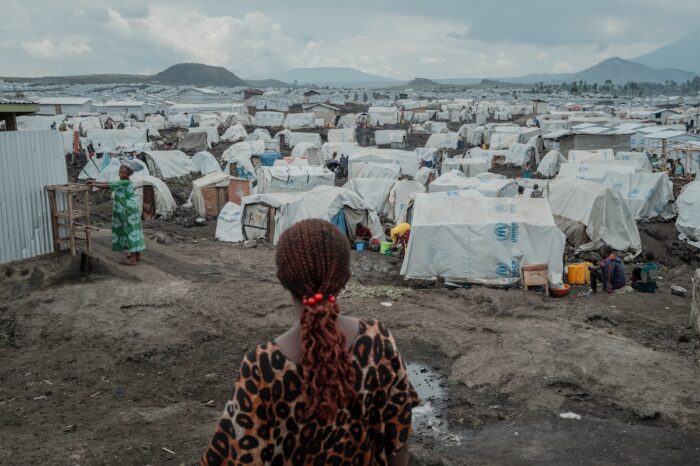
Declining donor funding, rising conflict and persistently high levels of forced displacement are driving an escalating crisis in the international humanitarian system. Current responses that prioritize life-saving aid, shift support to local partners and improve efficiency are necessary, but they are insufficient for protracted crises and do not address the structural drivers of aid dependence.
This report describes the scale of the challenge, with a particular focus on humanitarian responses for refugees and internally displaced persons and argues that the system must be rethought to make it more efficient, more effective and better tailored to the contexts in which it operates. With traditional leadership receding, middle powers must step up. They cannot replace lost U.S. dollars, but they can build the coalitions that make every dollar go further.
The launch of Partners for Multilateralism at this year’s UN General Assembly shows the appetite is there. Forced displacement is where that commitment should be tested first. To that end, the World Refugee & Migration Council (WRMC) will lead an 18-month initiative with international partners — donor and refugee-hosting governments, UN and development institutions, global think tanks, local authorities and displaced people themselves — to develop a practical blueprint for a humanitarian system fit for a changing world.