
An Opportunity for Middle Power Leadership
The World Refugee & Migration Council’s flagship project examines the escalating crisis in the international humanitarian system amid declining donor funding, rising conflict, and record displacement, and identifies actionable reforms to prevent systemic deterioration. While current responses — prioritising life-saving aid, shifting to local partners, and improving efficiency — are necessary, they are insufficient for protracted crises and do not address the structural drivers of aid dependence. It explores how to reorient humanitarian action toward more strategic, context-specific approaches aligned with development and, where feasible, peacebuilding initiatives.
Through expert consultation, the project will develop recommendations on improving early response design, establishing clearer prioritisation and pathways — where conditions allow — toward sustainable, government-led systems, and strengthening data, financing, and accountability mechanisms. To help findings translate into action, the project embeds strategic communication, stakeholder engagement, and open-access dissemination throughout — sustaining dialogue with governments, multilateral institutions, civil society, and other key actors to inform and influence policy. It will culminate in convening middle-power governments to align positions, build consensus on priority reforms, and advance coordinated approaches to financing and institutional change, producing a joint communiqué and practical proposals that restore confidence in the system.
The project is led by WRMC Chair Ninette Kelley, President Fen Osler Hampson, and senior humanitarian/development specialist Ewen Macleod. It is supported by an Advisory Board of internationally recognised practitioners, scholars, and policy leaders.
Contact info@wrmcouncil.org for more information and to get involved in this project.
• Project Brief: Strategic Responses to Forced Displacement
• Full Project: Strategic Responses to Forced Displacement
• Read: Global humanitarian crises are getting worse. Where is Canada? — Ninette Kelley Op-Ed
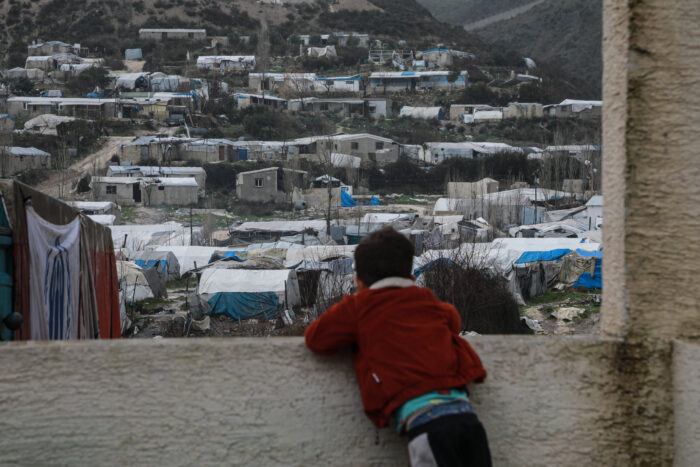
Photo: UNHCR
